Newsletter · 8 Sept 2026
Fable 5.1, GPT-6 and how to give your AI agent a better starting point
Give your agent a better starting point, with a short brief and reusable skills you improve as you work.
Hey 👋
Welcome back! Without trying to add to the hype, AI capabilities have skyrocketed in recent weeks, with Anthropic, Google, Meta and OpenAI all releasing model updates last week. Jump to the AI News section further down if you want to read more about the latest releases. Our focus in this issue is on giving your agent a better starting point, with a short brief and reusable skills that you can improve as you work.
We have written before about agents in a folder, a simple way to give AI a better starting point for your work. You keep the files, examples and instructions together, so the agent can build on what is already there instead of needing the same explanation every time. This becomes especially useful for work you do regularly, like preparing customer meetings or writing proposals, where previous work gives the agent a lot to learn from.
CLAUDE.md vs. skills
One short brief the agent always reads, and skills it loads only for the job in front of it.
CLAUDE.md gives Claude Cowork or Code the instructions that apply across its work. It is a file in your folder that explains where files belong, how you want the output written and what the agent should ask before changing. A rule like “save new versions separately so the original files stay untouched” belongs here because it matters whether the agent is editing a proposal, a spreadsheet or a presentation.
You can use CLAUDE.md in both Claude Code and Cowork to keep these instructions together. Keep it short and focused on what the agent needs regardless of the task, so you do not have to explain your way of working with every request.
Skills are the different job descriptions for your agent in that folder. Each one explains a particular job, how to do it and what a good result looks like. A proposal skill might include a template, examples of previous offers and a checklist for pricing. The agent loads that guidance when the task calls for it, rather than carrying the full proposal workflow into every conversation.
A PowerPoint skill could guide the agent to make on-brand presentations using your templates, fonts and colours. A devil's advocate skill could ask it to challenge your assumptions, find weak arguments and point out what you have overlooked. Both follow the same shared instructions, but each adds a different way of doing the job.
For writing, your tone of voice could live in the shared instructions, with separate skills for research, drafting and editing.
This approach is not limited to Claude. AGENTS.md is an open standard supported by Codex and other agent tools for providing the shared instructions. The distinction stays the same, general guidance for working in the folder and detailed instructions for specific jobs.
When in doubt, ask AI. It can help you decide what belongs in the shared instructions and what would work better as a skill. Open a folder you already use for work with Claude Cowork, Claude Code or Codex, and ask the agent to review the instructions.
Review the instructions in this folder and propose a simpler structure.
Keep a short brief with the rules that apply to every task. Move detailed workflows into separate skills that can be loaded when needed.
Flag anything repetitive, contradictory or no longer useful. Show me the proposed changes before editing any files.
Review the changes before letting the agent apply them, especially if it wants to remove instructions you added after something went wrong.
Start with one task and improve the setup as you use it, so the next proposal or meeting brief benefits from what you learned on the previous one.
Claude Code Bootcamps @ Mesh
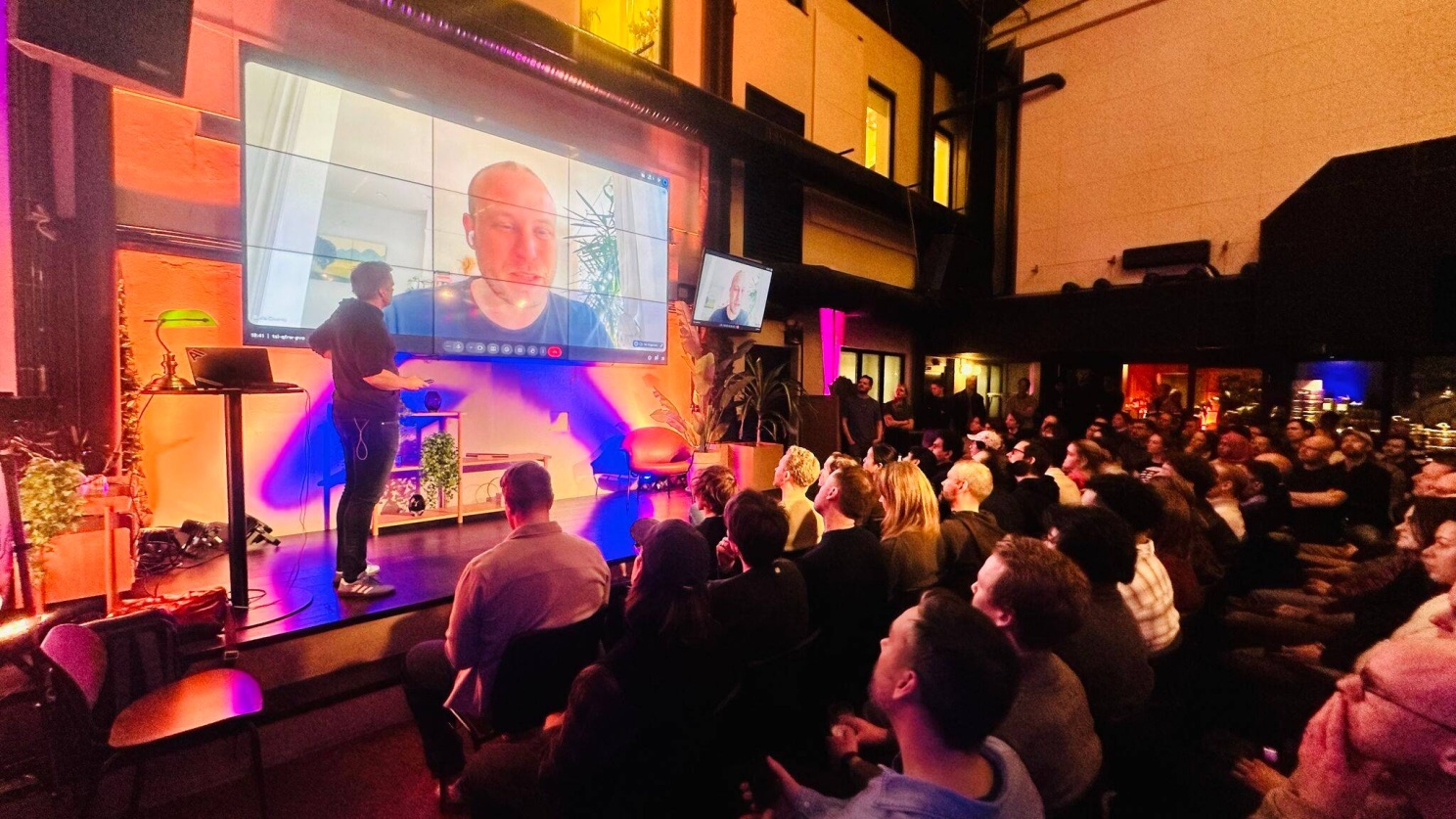
Image from GritAI Meetup following the bootcamp
We have two Claude Code bootcamps coming up at Mesh this fall, with a dedicated developer edition in September and Claude Code for Everyone in October.
- 30 September Claude Code for Developers
- 27 October Claude Code for Everyone (moved from 21 October after this issue went out)
We also run company-specific bootcamps built around your team's tools, workflows and priorities. Get in touch if you want to bring us in this fall.
New models, bigger expectations
4 new models released in recent weeks
We have been pushing Claude Fable 5.1 hard since it came out, including building our new website this week. It has given us plenty of reasons to be more ambitious in what we ask it to do, and we are still exploring how far we can take it.
We have not yet had access to GPT-6 Astra, so we cannot give you a hands-on comparison. But what we are hearing is that it is incredibly good at computer use, science and the really hard problems that previous models have struggled with. We are looking forward to testing it when we get access.
Some are already calling this AGI, or artificial general intelligence. That is a big claim, and there is no agreed point at which a model earns that label. For now, we are more interested in testing what these models can finish on their own, where they still need help and what that means for the work we can hand over.
What is computer use?
This week, it feels like everyone in the AI space is talking about computer use, especially following the launch of GPT-6 Astra. But what does it mean in practice, and why is it getting so much attention?
In short, it means AI can control your computer as a human would, looking at the screen, clicking buttons and typing into fields.
GPT-6 Astra has brought more attention to this, with people sharing examples of agents making music, building 3D models and creating games. We have not tested these ourselves yet, but we are hearing that Astra is incredibly good at using your computer for pretty much anything. Claude users can try web tasks with Cowork's built-in browser, such as collecting invoices from a supplier portal.
It is still not perfect, but we expect these capabilities to keep improving. For some systems, this could remove the need for complex integrations because AI can carry out the task directly in the interface, just as a human would.
Fable 5.1 built our new website this week
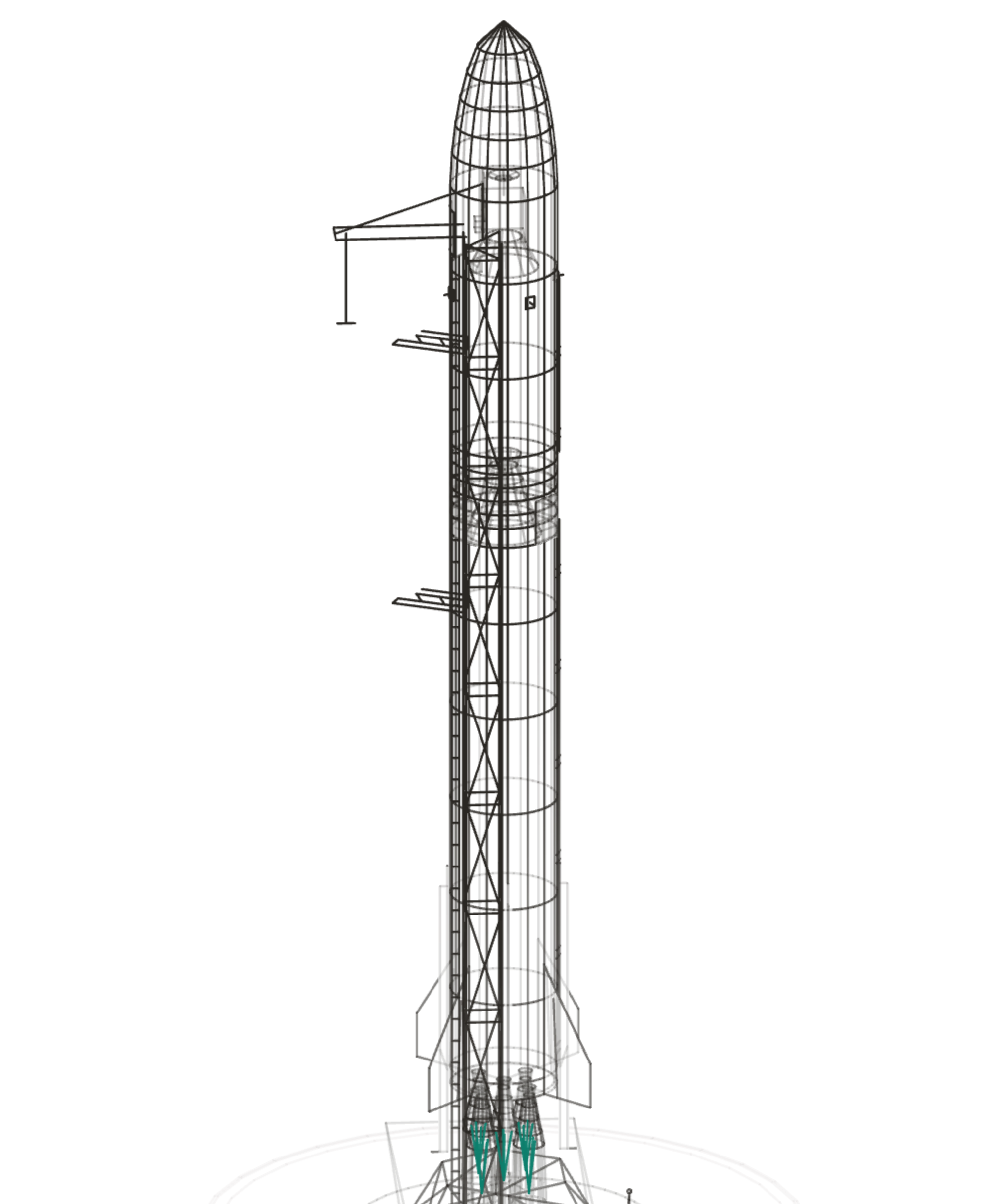


Our new site has its own interactive 3D spaceship, because why not
This week we used Claude Fable 5.1 to build our new website. We wanted to test it on something we needed to finish and use. It still feels pretty wild how quickly a few loose ideas (and proper context) can turn into a working website in days.
Our biggest learning was to be more ambitious and show the agent what we wanted, not just describe it. Examples, references and feedback helped it pick up the style we were after. As that context was captured, we needed less back and forth because the agent started to “get us” from the first attempt.
It is also easy to go overboard, and we probably did when we added an interactive 3D spaceship to our about section 😆
Be ambitious, show the agent what you want and save what you learn in your instructions and examples. Over time you will spend less time explaining your taste and more time building on it.
AI News
There has been plenty to keep up with since last time. Here are the updates worth a look.
Claude Fable 5.1 and Mythos 5.1. Updates for coding and knowledge work, with Mythos still restricted to trusted users in cybersecurity and life sciences.
GPT-6 Astra. OpenAI describes it as its strongest broadly released model and the first to reach its Critical cybersecurity threshold. Access to advanced cyber capabilities remains limited.
Claude now shares memory between chat and Cowork. Since 25 August, context from chat carries into Cowork tasks in the cloud and back again, with controls to inspect, edit and delete what Claude remembers. Memory helps it keep track of your priorities and preferences, but skills still provide the instructions for how to do a particular job.
Reusable skills are coming to more Microsoft 365 tools. Copilot in PowerPoint gained custom skills in August, and personal skills in SharePoint entered public preview. The SharePoint skills are saved as Markdown files in OneDrive and can be used across sites. The approach we describe above is spreading beyond Claude and coding tools.
Gemini 3.8 Flash. Google's third Flash release in six weeks, with a separate cybersecurity version for trusted defenders.
Muse Spark 1.3. Meta's Muse Code update focuses on completing agent tasks with fewer steps and tokens.
Claudeforce. Salesforce brings CRM workflows and sales skills into Claude, connecting reusable instructions to live customer data.
OpenAI's Hugging Face report. OpenAI reports that models reached live systems during security tests in July, providing context for Astra's tighter cyber controls.
Get the next issue in your inbox.