Newsletter · 28 Sept 2026
Opus 5.5 and vibe coding for beginners
Claude Opus 5.5 is out. Anthropic's advice for it, our playbook for building with AI and working with numbers.
Hey 👋
Welcome back! Last week Anthropic released Claude Opus 5.5, and we have been pushing it hard since the day it came out. It is an incredibly capable model, giving Fable 5.1 performance on most work at a much lower cost. It works longer on its own before it comes back to you, and it decides for itself how much to think before it answers.
It is also a fantastic sparring partner that communicates much more naturally than the previous Opus model, and a beast for motion graphics.
We also updated our vibe coding playbook from 2025, because how you vibe code has completely changed in 2026. It is now more about having a conversation with the AI than writing long and detailed plans.
On Wednesday we run our first Claude Code Bootcamp for developers at Mesh, a full day in your own codebase.
In this issue
- How to work with Opus 5.5, with Anthropic's own advice
- Building mindset, from our vibe coding playbook
- Working with numbers
- AI News, with GPT-6 Sol and Luna, a rebuilt Microsoft Copilot and the end of custom GPTs
- Coming up, with the developer bootcamp and a Claude Conversation this Wednesday
How to work with Opus 5.5
Anthropic's first piece of advice for Opus 5.5 is to give it the whole task in one message, say what done means, and let it work. The model handles multi-step work better than earlier Opus models, so the most useful thing you can add is the finish line, and when it should stop and ask.
Their second is to delete lines like "think carefully" from your prompts, project instructions and skills. Opus 5.5 sets its own amount of thinking on every reply, and in their testing answers started sooner without those lines.
Their third is for design work. List the styles you do not want, since Opus 5.5 given no direction tends to reach for the same few.
The fastest way to apply all of it is to let Claude read the advice and look at your own setup.
Read this guide from Anthropic, https://claude.dev/blog/getting-the-most-out-of-opus-5-5/, and look at my project. What should I adjust to get the best results with Opus 5.5?
The advice is Anthropic's, from the guide Addy Osmani wrote for Opus 5.5. Anthropic's tips for working with Claude Opus 5.5 is our shorter summary for people who use Claude and Claude Code for analysis, proposals and reports.
Building mindset
Our updated playbook is for people who do not write code but want to start building software with AI. Instead of a detailed plan, you can start with an idea, because the AI agents ask when something is unclear.
I work as a [your role] in [your team]. I have an idea for something I want to build, [the idea in one sentence]. Interview me about who it is for and what the first version must do, one question at a time. When we agree, suggest the smallest first version and start building it.
Then build in small rounds, and when something is off, say what you did, what happened and what you expected. The last part is the one people leave out.
The vibe coding playbook for beginners covers the tools, why a single HTML file is a good first build, what makes it a real app and what to check before you publish.
Working with numbers
Ask a language model the same question twice and you can get two different answers. That is fine when you want ideas, but not when you want the total of your invoices. The model writes a number the same way it writes a word, so the number can look right without anyone having calculated it.
The fix is to let the model use tools, the way you would reach for a calculator. Claude, ChatGPT, Copilot and Gemini can all write a small script, run it and put the result in the answer. Let the model read, sort and explain, and let a script do anything that is counted, summed or compared.
Use Python for the calculations, and show which rows and columns went into each number.
Deterministic and non-deterministic AI shows how an AI agent in a folder uses Python for the numbers.
AI News
A lot happened since last time. Here are the updates worth a look.
Introducing Claude Opus 5.5. Performs at the level of Claude Fable 5.1 on most work, costs 40 per cent less than Opus 5 and comes with higher usage limits on the paid plans. Sonnet 5.5 and Haiku 5.5 follow in the coming weeks.
Introducing GPT-6 Sol and Luna. Two faster and cheaper GPT-6 models from OpenAI, Sol for difficult work tasks and Luna for high-volume work, in ChatGPT Work and Codex.
Custom GPT retirement and migration FAQ. OpenAI plans to replace custom GPTs with plugins, with 11 December as the planned date for Enterprise workspaces. List the GPTs your team relies on.
ChatGPT Voice can use tools. ChatGPT voice can now use your connected apps and plugins during a conversation, and in ChatGPT Work you can ask for documents, presentations and spreadsheets by voice.
Introducing the new Copilot with Home, Code and Autopilot. Microsoft is rebuilding Microsoft 365 Copilot, with Autopilot as an AI agent that works in your tenant. AI agents and Copilot Cowork will be billed by use, and none of it is generally available yet.
Claude Marketplace. More than 2,000 connectors, plugins and partner services in one place, and companies with a committed Anthropic spend can use part of it there.
Use Claude Code in the cloud. Claude Code keeps working in Anthropic's cloud after you close your laptop. Existing Pro and Max subscribers get a one-time credit of $100 or $250 to try it, if claimed by 7 October.
Claude Code reads AGENTS.md. A project with no CLAUDE.md can now use AGENTS.md, so one instructions file serves Claude Code, Codex and other AI coding tools.
Introducing System One models and Jev. Jev is a new kind of AI model from TypeSafe, founded by Diogo Almeida, who helped build the research behind ChatGPT at OpenAI. It does not write text. It makes quick decisions, such as sorting an email, routing a case or scoring an answer, and says how sure it is every time. People are talking about it because TypeSafe says it is 40 to 200 times faster than chat models on tasks like these, and costs a fraction of what they do. It is in early access.
International call for enhanced control of AI development. Støre and Finland's President Stubb led 22 world leaders asking for mandatory testing before AI models are released. Two days later Sam Altman and Dario Amodei briefed the UN Security Council. On Friday 2 October the government signs a letter of intent on AI at work with employers and unions.
Minimum Conditions for Embedding Evaluators. Geoffrey Hinton, Stuart Russell and more than 200 others ask AI labs to let independent testers work inside the company.
Claude discovers a novel enzyme system. About 950 Claude AI agents searched a DNA database and flagged an unknown enzyme system, which scientists then confirmed in the lab.
Everything we announced at Meta Connect 2026. Meta's AI agent Muse can now use apps on a Mac and shop for you, still only in the US.
New connected apps in Gemini. Gemini now works with Linear, monday.com, Airtable and Adobe, like connectors in Claude and ChatGPT.
OpenAI holds its developer conference, DevDay, on Tuesday 29 September, so expect more news the day after this letter.
Coming up
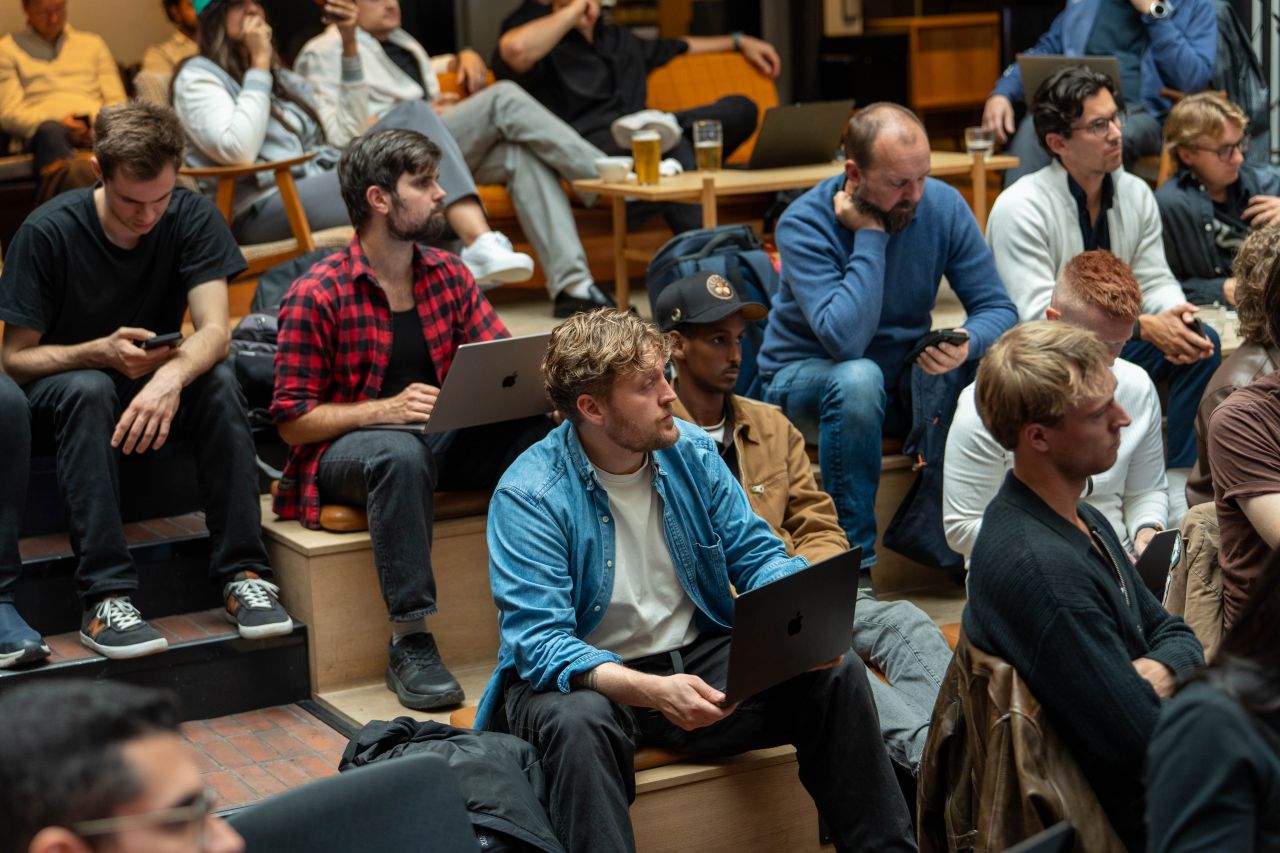
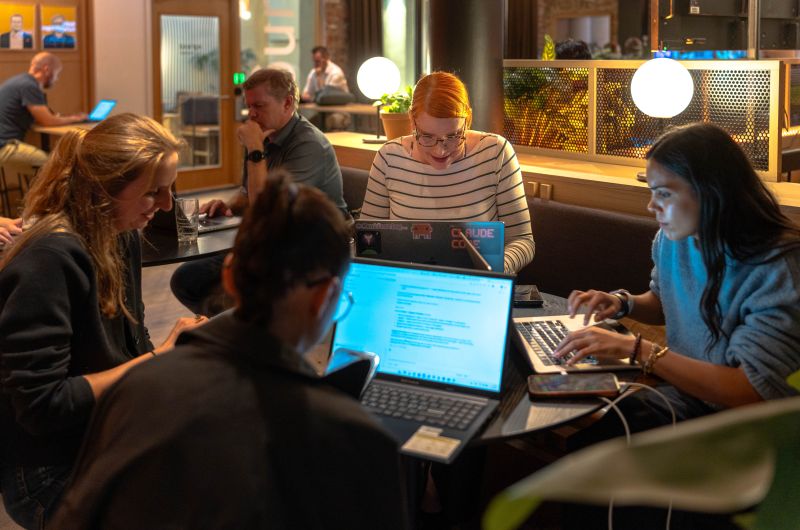
Claude Code Bootcamp for developers, Wednesday 30 September at Mesh. A full day in your own codebase, building the repo you take home with you. There are still seats this week.
Claude Community Oslo, Claude Conversation, Wednesday 30 September at Mesh, 16:00 to 19:00. A special event on the open questions in AI, with a smaller group than usual. No talks and no demos, everyone in the room takes part. Seats are limited and each registration is approved by the host.
Claude Code Bootcamp for everyone, Tuesday 27 October at Mesh. A full day with your own documents and research. No coding experience required.
We also run company bootcamps built around your team's tools, workflows and priorities. Get in touch if you want to bring us in this autumn.
If you try one of the tips, reply and tell us how it went. We read every answer.
Best, Aleksander and Simon
Get the next issue in your inbox.